Neuromuscular disorders affect the nerves that control voluntary muscles and the nerves that communicate sensory information back to the brain. Nerve cells (neurons) send and receive electrical messages to and from the body to help control voluntary muscles. When the neurons become unhealthy or die, communication between the nervous system and muscles breaks down. As a result, muscles weaken and waste away (atrophy).
SYMPTOMS
There are many neuromuscular disorders, and treatment by an experienced multidisciplinary team, such as the one at Cedars-Sinai’s Neuromuscular Disorders Program, is vital. These disorders result in muscle weakness and fatigue that progress over time. Some neuromuscular disorders have symptoms that begin in infancy, while others may appear in childhood or even adulthood. Symptoms will depend on the type of neuromuscular disorder and the areas of the body that are affected.
Some symptoms common to neuromuscular disorders include:
- Muscle weakness that can lead to twitching, cramps, aches and pains
- Muscle loss
- Movement issues
- Balance problems
- Numbness, tingling or painful sensations
- Droopy eyelids
- Double vision
- Trouble swallowing
- Trouble breathing
Types of neuromuscular disorders include:
- Amyotrophic lateral sclerosis (ALS)
- Charcot-Marie-Tooth disease
- Multiple sclerosis
- Muscular dystrophy
- Myasthenia gravis
- Myopathy
- Myositis, including polymyositis and dermatomyositis
- Peripheral neuropathy
- Spinal muscular atrophy
CAUSES AND RISK FACTORS
Neuromuscular disorders can be inherited or caused by a spontaneous gene mutation; some also may be caused by immune system disorders.
DIAGNOSIS
A physician will examine the patient and take a medical and family history. Checking a patient’s reflexes and muscle strength, as well as evaluating other symptoms, may lead a physician to order other diagnostic tests, including:
- Blood test to check for elevated enzymes
- Magnetic resonance imaging (MRI) scan of the brain and spinal cord
- Lumbar puncture (spinal tap) to check cerebrospinal fluid
- Electromyography (EMG) to record the electrical activity of each muscle
- Nerve conduction studies to see how well signals travel from nerve to muscle
- Muscle biopsy to examine a sample of muscle tissue under a microscope
- Genetic testing to confirm gene mutations
TREATMENTS
Currently there is no cure for neuromuscular disorders. Research is being done on genetic therapies and new medications in hopes of finding a cure. Treating symptoms, delaying disease progression and enhancing quality of life for patients is accomplished with medications, physical therapy, occupational therapy and, when necessary, surgery.
Resources:
https://www.ncbi.nlm.nih.gov/pmc/articles/PMC3482409/
https://www.cedars-sinai.edu/Patients/Health-Conditions/Neuromuscular-Disorders.aspx

Diabetic Neuropathy
Diabetic neuropathy is a serious and common complication of type 1 and type 2 diabetes. It’s a type of nerve damage caused by long-term high blood sugar levels. The condition usually develops slowly, sometimes over the course of several decades.

Neck Pain
Neck pain can be caused by a number of factors, including muscle or ligament strains, arthritis, or a “pinched” nerve (when a nerve is irritated by something pressing on it).

Lower Back Pain
Low back pain is very common. More than 80 percent of people have at least one episode of low back pain during their lifetime. Although back pain usually does not represent a serious medical problem and most often resolves on its own, it can be frustrating when pain interferes with daily life.
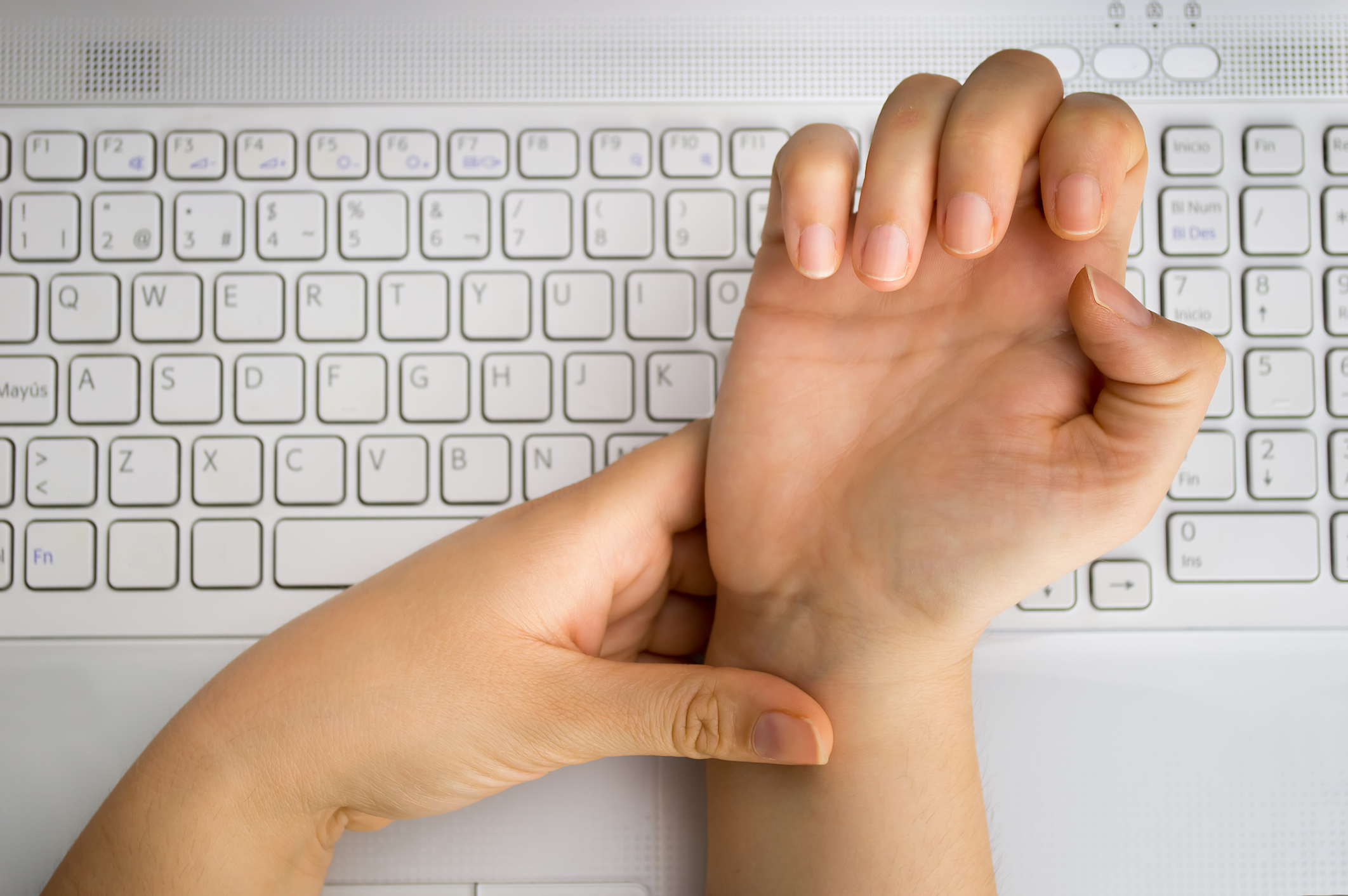
Carpal Tunnel Syndrome
Carpal tunnel syndrome (CTS) occurs when the median nerve, which runs from the forearm into the palm of the hand, becomes pressed or squeezed at the wrist. The carpal tunnel—a narrow, rigid passageway of ligament and bones at the base of the hand—houses the median nerve and the tendons that bend the fingers.

Peripheral Neuropathy
Peripheral neuropathy refers to the many conditions that involve damage to the peripheral nervous system, the vast communication network that sends signals between the central nervous system (the brain and spinal cord) and all other parts of the body.
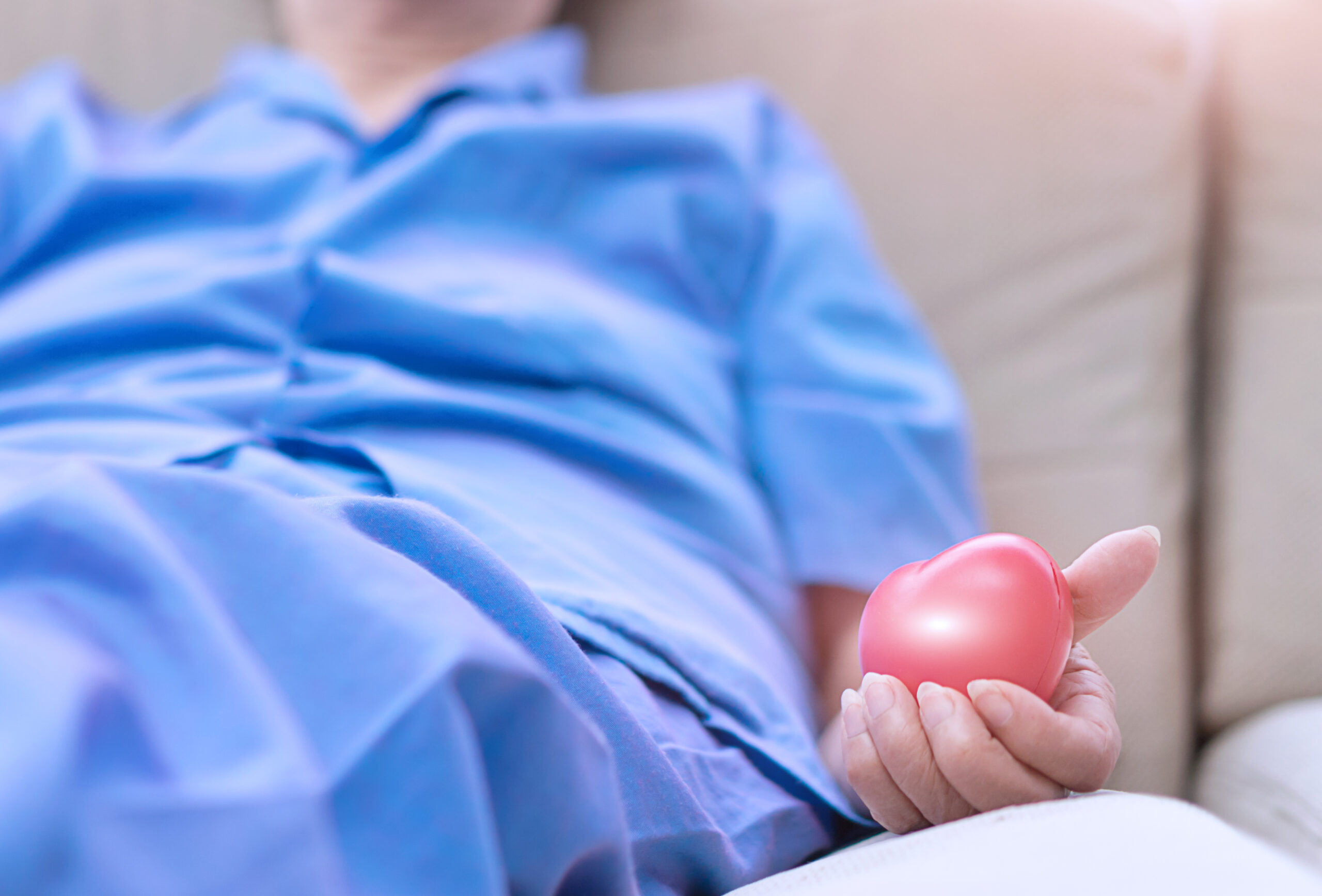
Myasthenia Gravis
MG is a chronic autoimmune neuromuscular disorder characterized by weakness of the voluntary muscle groups, which are the muscles we use to perform physical activities. For reasons that are not clearly understood, the immune system of patients with MG makes antibodies against the receptor sites of the neuromuscular junction.
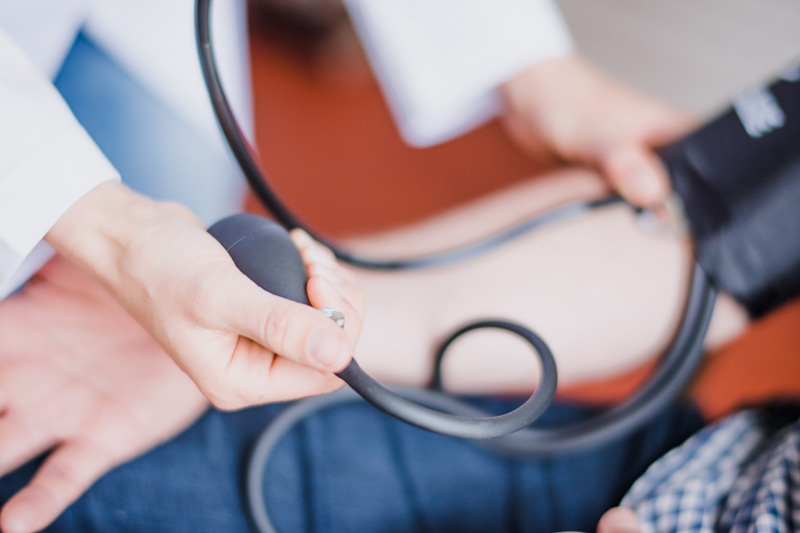
CIDP
Chronic Inflammatory Demyelinating Polyneuropathy (CIDP) is a neurological disorder characterized by gradually (over months or years) increasing weakness of the legs and arms. It is caused by damage to the protective covering of the nerves, called myelin. Symptoms are variable and may be mild to debilitating.
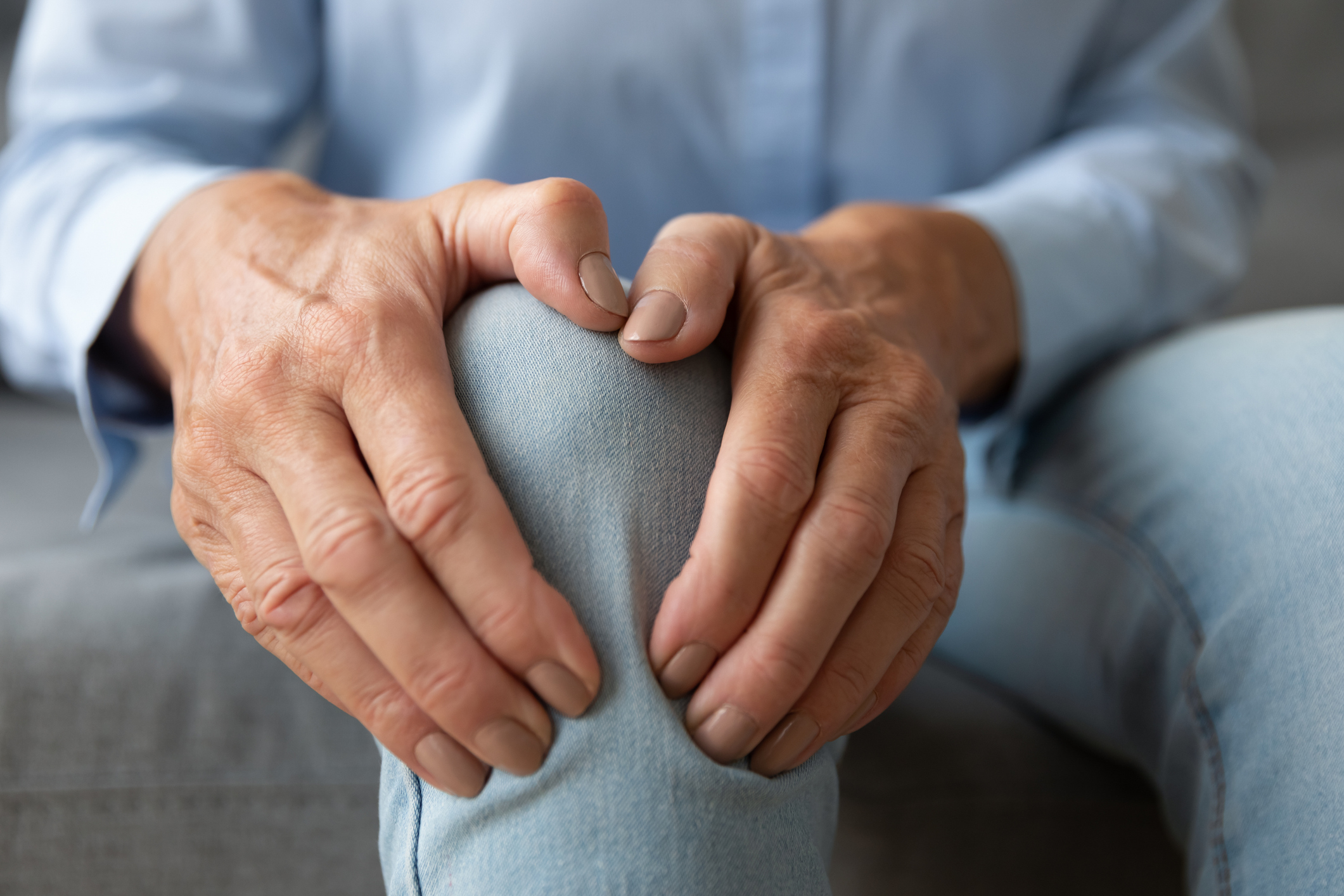
Myositis
Myositis means inflammation of the muscles that you use to move your body. An injury, infection, or autoimmune disease can cause it. Two specific kinds are polymyositis and dermatomyositis. Polymyositis causes muscle weakness, usually in the muscles closest to the trunk of your body. Dermatomyositis causes muscle weakness, plus a skin rash.

Amyotrophic Lateral Sclerosis
Amyotrophic lateral sclerosis (ALS) is a group of rare neurological diseases that mainly involve the nerve cells (neurons) responsible for controlling voluntary muscle movement (e.g. chewing, walking, and talking). The disease is progressive, and symptoms get worse over time. Currently, there is no cure for ALS and no effective treatment to halt, or reverse, the progression of the disease.
Muscular Dystrophy
Muscular dystrophies are a group of muscle diseases caused by mutations in a person’s genes. Over time, muscle weakness decreases mobility, making everyday tasks difficult. There are many kinds of muscular dystrophy, each affecting specific muscle groups, with signs and symptoms appearing at different ages, and varying in severity.
72780 Country Club Dr # 205- B, Rancho Mirage, CA 92270